What Students Can Build with a Python Web Development Course
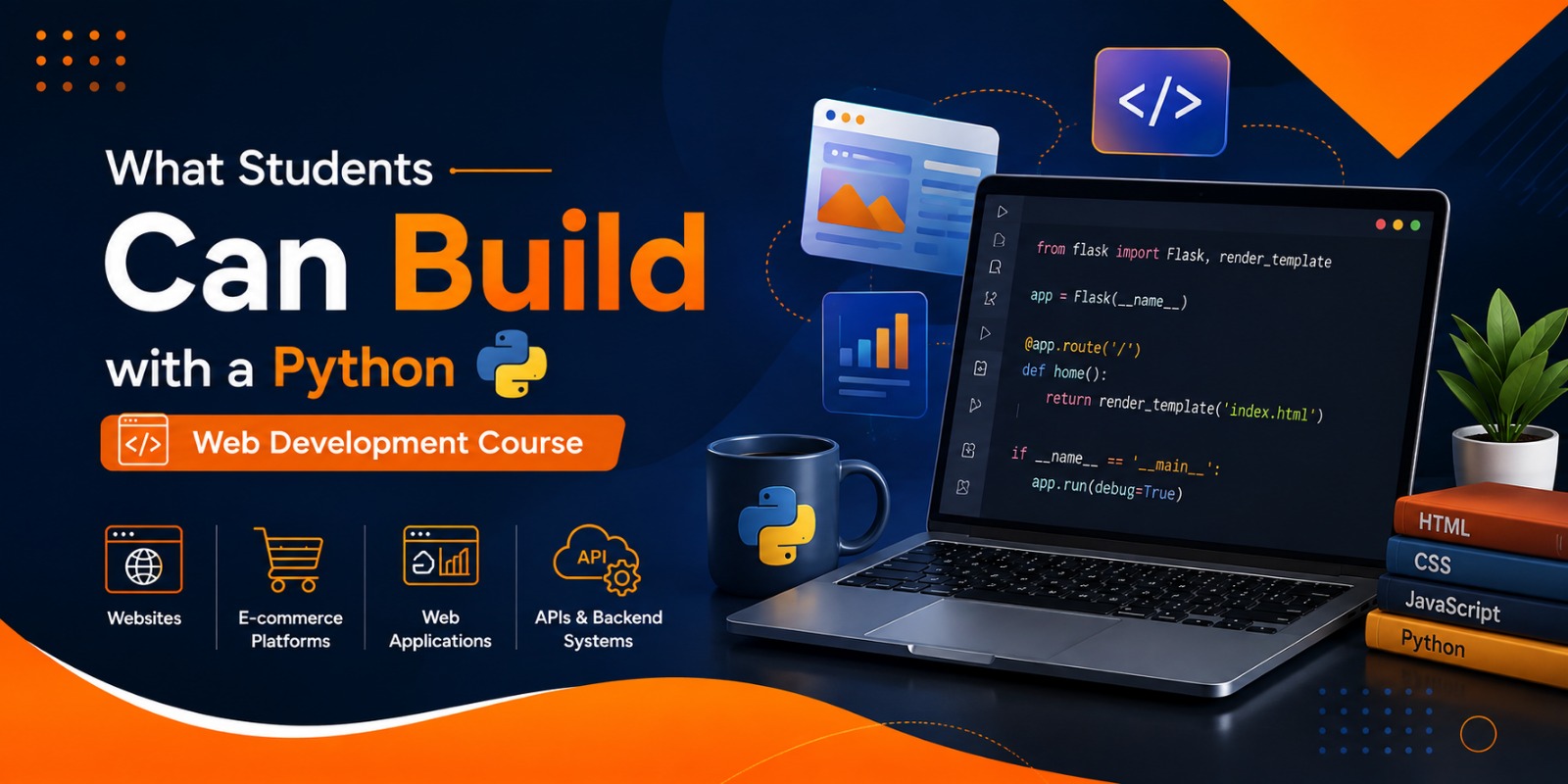
Learning Python becomes much more valuable when students know how to apply it to real projects. Instead of learning programming concepts only through theory, students can use Python to create websites, web applications, dashboards, and systems that solve practical problems.
A Python Web Development Course can introduce students to the technologies and development processes required to build functional web applications. Along with Python programming, students can learn about front-end technologies, databases, server-side development, APIs, and application testing.
For students planning to enter the IT industry, project-based learning can be especially useful. Building applications gives them an opportunity to practise coding, understand how different technologies work together, identify technical problems, and create projects that can eventually become part of their portfolio.
Why Are Projects Important for Students Learning Web Development?
Programming concepts can be difficult to understand when students only study examples from textbooks or classroom exercises. Projects provide a practical environment where students can apply those concepts.
Working on projects can help students:
- Understand how web applications are structured
- Apply programming concepts to practical problems
- Improve logical thinking and problem-solving
- Learn how databases work with applications
- Practise developing user-facing features
- Understand debugging and testing
- Build portfolio projects
Projects also allow students to see their progress. A simple application created at the beginning of their learning journey can eventually develop into a more advanced web application as their technical knowledge improves.
1. Student Management System
A student management system is a useful beginner-to-intermediate project for learning web development.
Students can create features such as:
- Student registration
- Student profile management
- Course information
- Attendance records
- Search functionality
- Updating and deleting records
- Admin login
While building this type of application, students can learn how Python handles application logic and how information is stored and retrieved from a database.
The project also introduces students to the idea of creating applications around a real-world requirement rather than writing isolated programs.
2. Blog and Content Management Website
A blog platform is another practical project that can help students understand how dynamic websites work.
Students can develop features such as:
- User registration and login
- Creating blog posts
- Editing and deleting content
- Categories and tags
- Comment functionality
- Admin controls
- Search features
This project can demonstrate how a website can allow users or administrators to create and manage information dynamically.
It also gives students experience working with databases and server-side functionality.
3. E-Commerce Website
An e-commerce project can introduce students to more complex web development concepts.
A basic online shopping application might include:
- Product listings
- Product categories
- Search and filtering
- User accounts
- Shopping cart
- Order management
- Product details
- Admin dashboard
Students can learn how multiple components of a web application work together.
For example, when a customer adds a product to a cart, the application needs to process the request, retrieve relevant product information, update the user's session or account data, and display the updated information.
This makes an e-commerce project a useful way to understand application logic and database interaction.
4. Task Management Application
A task management application can help students practise creating interactive systems.
Users might be able to:
- Create tasks
- Set deadlines
- Mark tasks as completed
- Edit existing tasks
- Delete tasks
- Organise tasks into categories
Although the concept may appear simple, building the application requires students to work with user input, data storage, application logic, and interface elements.
Students can gradually add features as their skills improve, making this a flexible project for different learning levels.
5. Online Booking System
An online booking system can simulate a practical business application.
For example, students could build a booking platform for:
- Training classes
- Events
- Appointments
- Hotels
- Services
The application could include availability checking, user registration, booking forms, confirmation messages, and booking management.
This type of project helps students understand how applications process user requests and manage information that changes over time.
It can also introduce concepts such as validation and handling different user actions.
6. Business Dashboard
Dashboards are widely used by businesses to display important information in an organised format.
Students can build a dashboard that displays:
- Sales information
- Customer records
- Orders
- Website activity
- Performance statistics
- Business reports
The project can help students practise retrieving information from a database and presenting it in a useful format.
It also encourages students to think about how data should be organised so that users can understand it quickly.
7. Personal Portfolio Website
A portfolio website is particularly valuable for students because it can showcase their skills to potential employers or internship providers.
A student's portfolio could contain:
- About section
- Technical skills
- Project information
- Education
- Certifications
- Contact details
- Links to completed projects
Students can use the portfolio to demonstrate their development journey rather than simply listing the technologies they have studied.
A well-organised portfolio can become a useful supporting asset when students begin applying for internships and entry-level opportunities.
What Do Students Learn While Building These Projects?

The main value of projects is not simply the finished application. Students also gain practical experience during the development process.
Python Programming
Students strengthen their understanding of variables, functions, conditions, loops, modules, and object-oriented programming concepts while working on actual applications.
Database Management
Projects teach students how applications store, retrieve, update, and manage information.
Front-End Development
Students can learn how HTML, CSS, and JavaScript contribute to the interface users interact with.
Back-End Development
Python can be used to handle server-side logic, process requests, and connect different parts of an application.
API Integration
Students can understand how APIs allow applications and services to exchange information.
Debugging
Real projects rarely work perfectly on the first attempt. Students learn to identify errors, understand their causes, and make appropriate corrections.
These practical experiences can make a Python Programming Course more valuable for students who want to move beyond basic coding exercises.
How Projects Help Students Build a Portfolio
A portfolio should demonstrate what a student can actually do.
Instead of simply writing “Python” or “web development” on a resume, students can show completed applications and explain their contribution.
For each project, students can include:
- Project objective
- Technologies used
- Key features
- Challenges encountered
- Solutions implemented
- Screenshots
- Live demonstration where available
- GitHub repository where appropriate
Students do not need dozens of projects. A smaller collection of well-developed applications can demonstrate more practical ability than a large number of unfinished projects.
How Students Can Make Their Projects More Advanced
Once students understand the basics, they can gradually improve their projects by adding more functionality.
For example, an initial task management application could later include:
- User authentication
- Different user roles
- Search and filtering
- Notifications
- Better data validation
- Responsive design
- API integration
This approach allows students to develop their skills progressively without trying to build a complicated application from the beginning.
It also helps demonstrate how a simple concept can evolve into a more complete web application.
What Skills Should Students Develop Alongside Python?
Python is an important part of web development, but students should understand that modern applications require multiple technologies.
Alongside Python, students can explore:
- HTML
- CSS
- JavaScript
- Databases
- REST APIs
- Git and GitHub
- Responsive web development
- Testing fundamentals
- Deployment basics
This broader knowledge can help students understand the complete development workflow.
Students interested in becoming a Python Full Stack Developer can eventually expand their learning to cover both front-end and back-end technologies.
How TCP India Supports Practical Learning
At TCP India in Mehsana, Gujarat, students can explore practical web development learning through structured training and project-based activities.
The focus of practical learning is to help students apply programming concepts to development tasks rather than limiting their experience to theoretical exercises. By working on different types of applications, students can become familiar with development workflows and gradually improve their technical confidence.
For students considering a Python Full Stack Course, practical project experience can also provide a foundation for understanding how front-end, back-end, database, and API components work together.
Students can use the projects they develop during their learning journey as examples of their technical abilities when preparing for internships or entry-level IT opportunities.
Conclusion
A Python Web Development Course can give students an opportunity to move from learning programming concepts to building functional web applications. Projects such as student management systems, blogs, e-commerce websites, task management tools, booking systems, dashboards, and portfolio websites can help students apply their knowledge in practical situations.
The real value of project-based learning is not only the application students complete. It is the experience they gain while planning features, writing code, working with databases, solving errors, testing functionality, and improving their projects.
For students preparing for an IT career, building a portfolio of meaningful projects can also help demonstrate practical capabilities beyond academic qualifications.
At TCP India in Mehsana, Gujarat, students can develop their web development knowledge through structured and practical learning. If you want to build a strong foundation in Python and web development, choosing a learning path that combines programming concepts with practical projects can be an important step toward developing job-relevant skills.
You can also explore our existing Python-related blog to learn more about the skills and career opportunities connected with Python development.
Frequently Asked Questions
What can students build after learning Python web development?
Students can build projects such as student management systems, blogs, e-commerce websites, task management applications, booking systems, dashboards, and personal portfolio websites.
Are projects important in a Python Web Development Course?
Yes. Projects allow students to apply programming concepts, practise development workflows, solve technical problems, and create work that can be included in their portfolios.
Can beginners build web applications using Python?
Yes. Beginners can start with simple applications and gradually work on more advanced projects as they develop their programming and web development knowledge.
What technologies should students learn with Python?
Students can benefit from learning HTML, CSS, JavaScript, databases, APIs, Git, and other supporting technologies alongside Python.
Can Python projects help students prepare for IT jobs?
Practical projects can help students demonstrate their technical knowledge and problem-solving abilities. A strong portfolio can support internship and entry-level job applications.
How many projects should a student have in a portfolio?
There is no fixed number. It is generally better to have a few well-developed and clearly explained projects than many incomplete or very basic applications.
Leave Comments
Recent Post
Essential Database Skills Students Need for a Career in Tech
Sep 29, 2026

Essential Data Analysis Skills Students Need for a Career in Tech
Sep 21, 2026
Essential Skills Students Need to Start a Career in Mobile App Development
Sep 15, 2026
Skills Students Can Build Through MEAN Stack Development
Sep 07, 2026
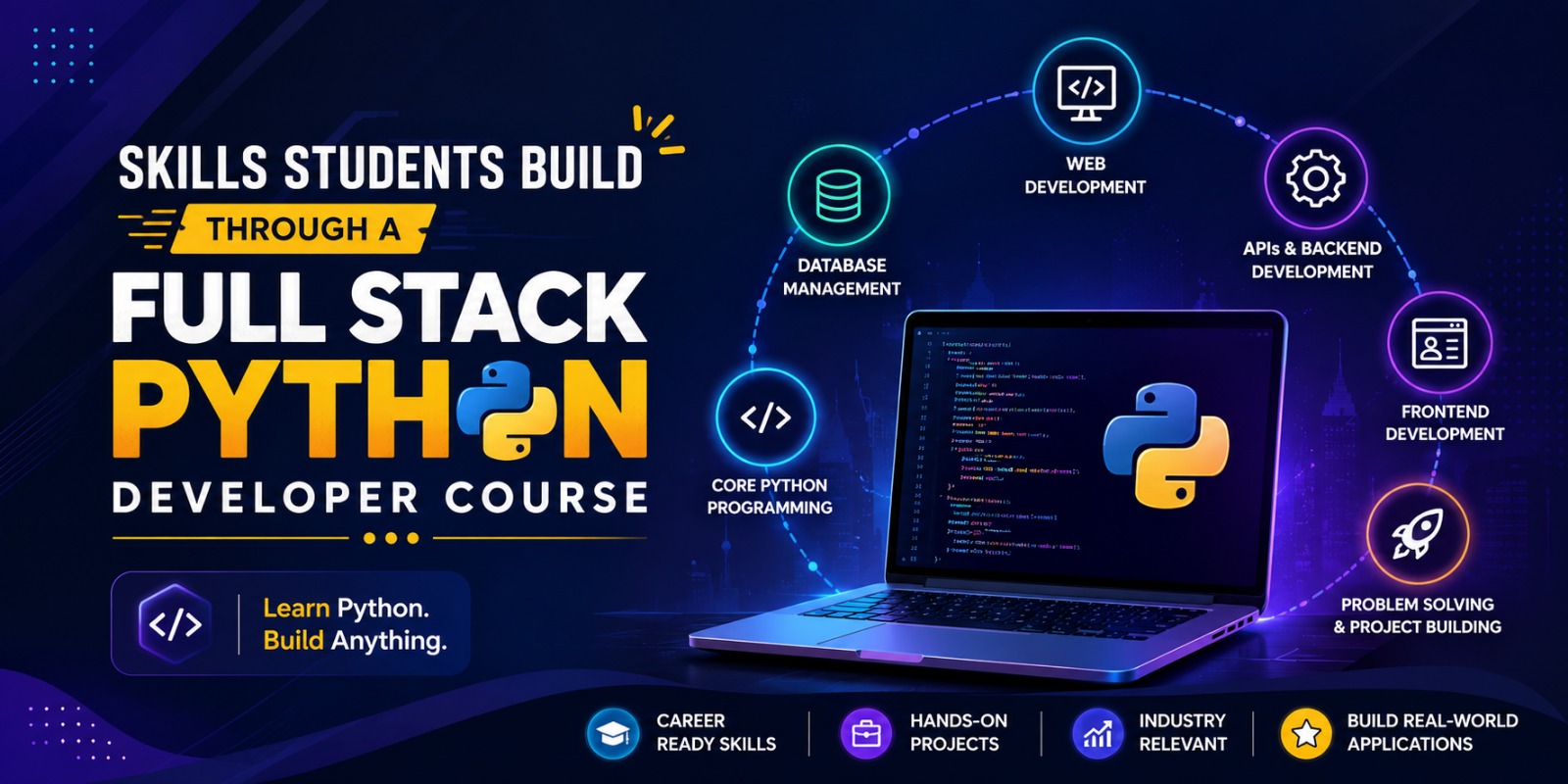
Skills Students Build Through a Full Stack Python Developer Course
Aug 18, 2026
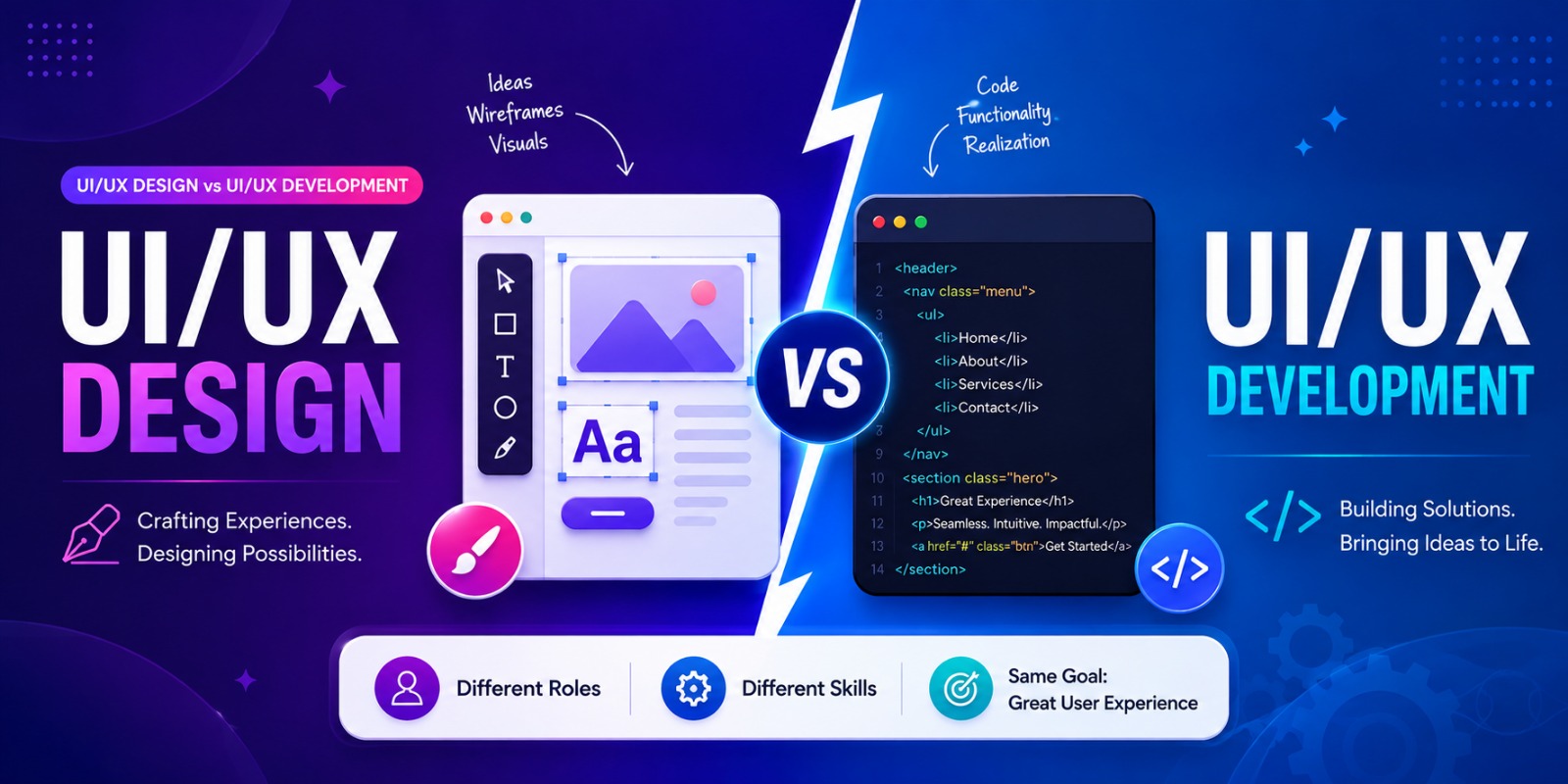
UI/UX Design vs UI/UX Development: What Is the Difference
Aug 11, 2026
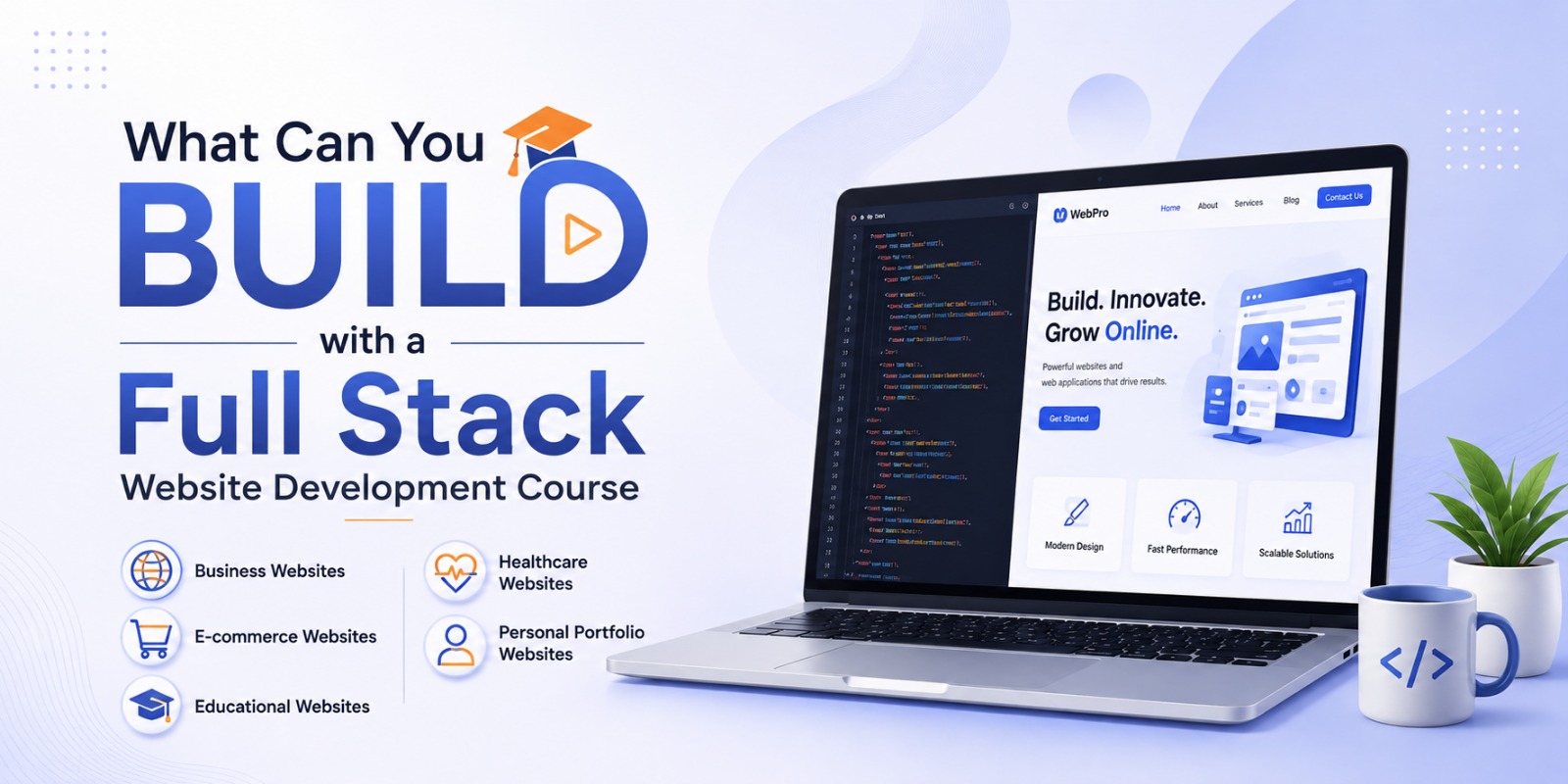
What Can You Build with a Full Stack Website Development Course
Aug 05, 2026
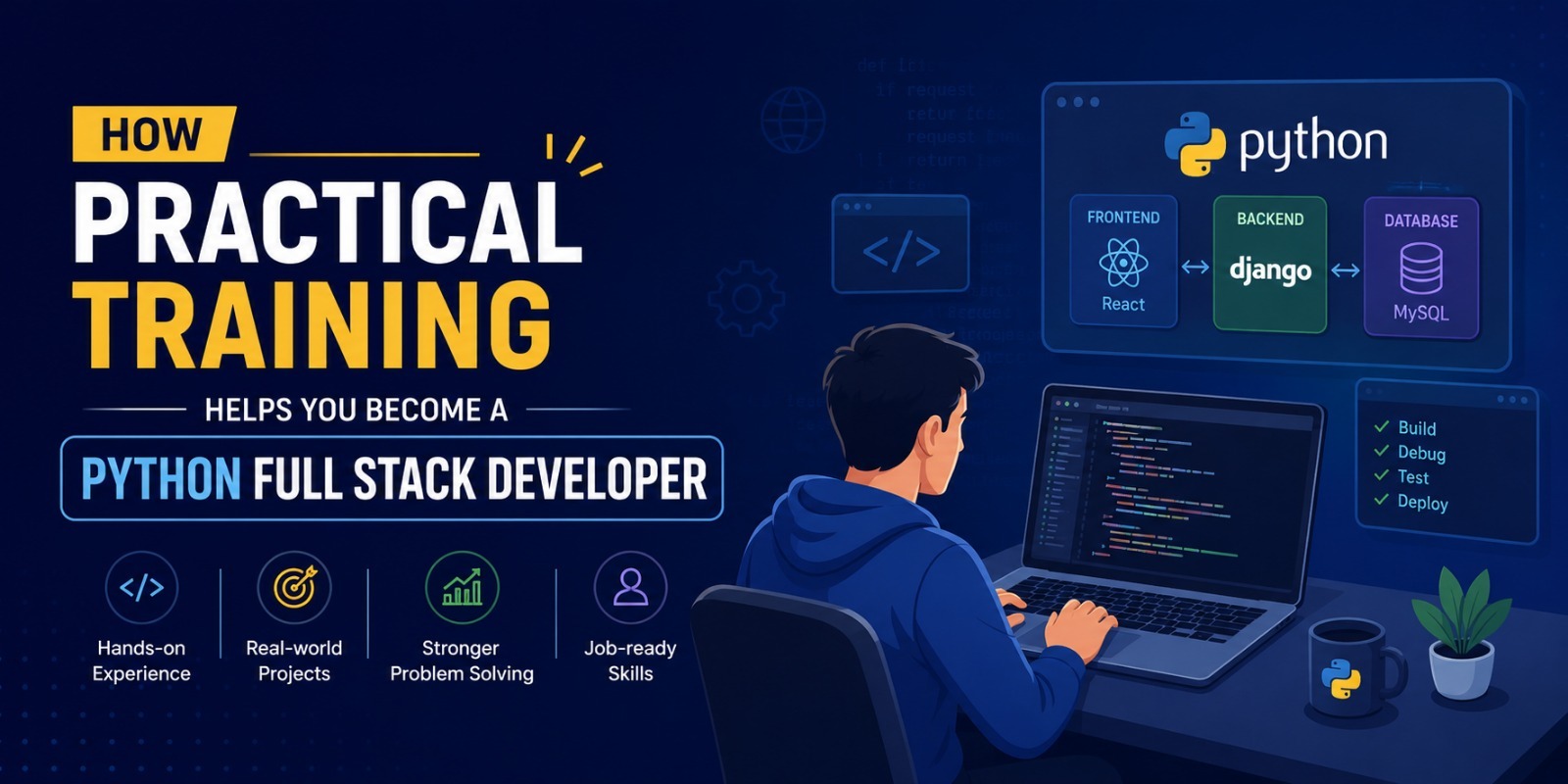
How Practical Training Helps You Become a Python Full Stack Developer
Jul 27, 2026