Skills Students Can Build Through MEAN Stack Development
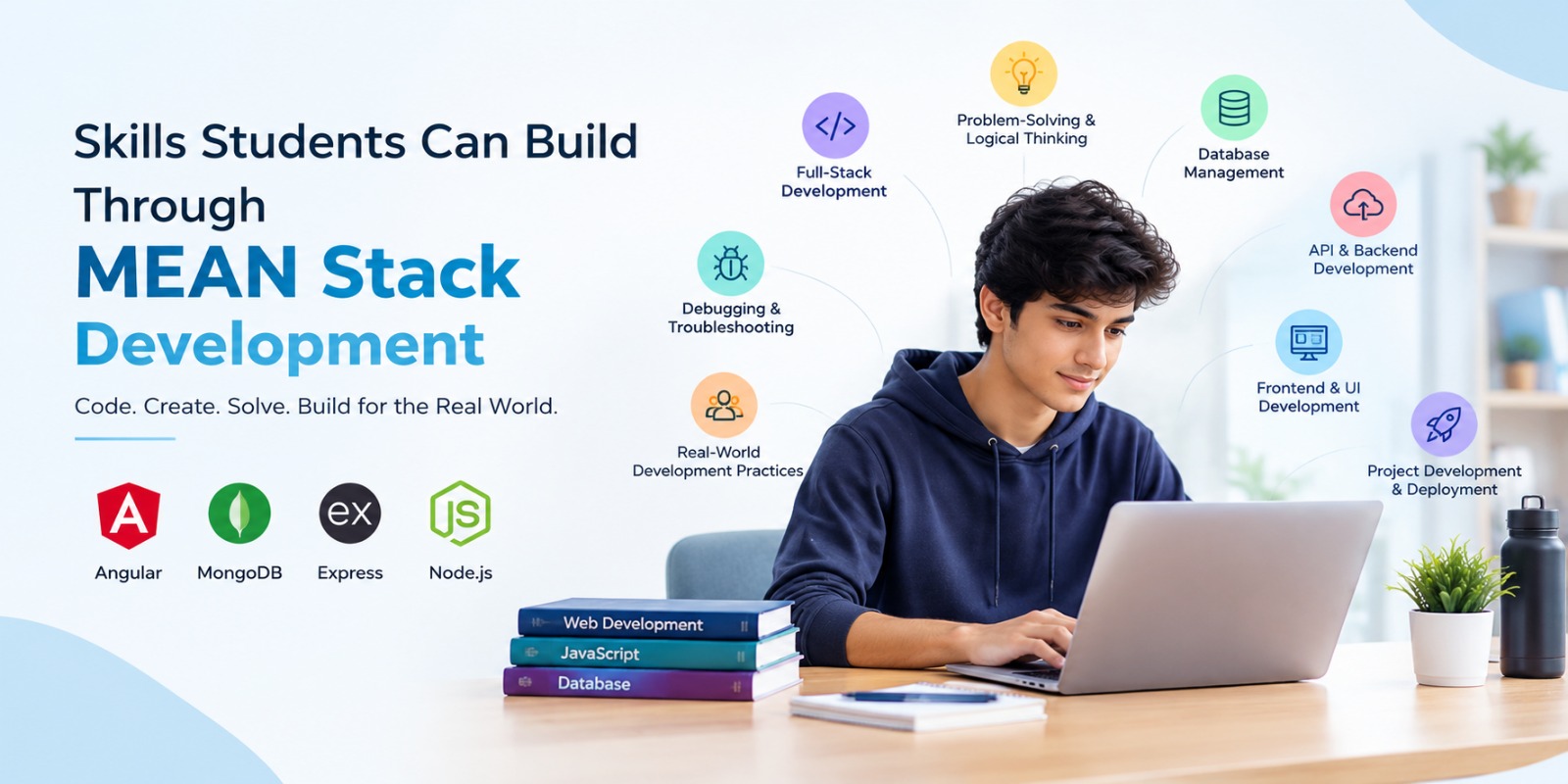
Choosing the right technology path can help students build a strong foundation for a career in web development. MEAN Stack Development is one such approach that allows students to learn different parts of modern web application development using a connected set of technologies.
MEAN stands for MongoDB, Express.js, Angular, and Node.js. Together, these technologies cover database management, backend development, server-side programming, and front-end development. Learning them as a stack helps students understand how different components of a web application work together.
More importantly, practical learning can help students move beyond theoretical concepts and develop skills they can demonstrate through real projects.
What Is MEAN Stack Development?
MEAN Stack Development is a JavaScript-based approach to building web applications. It uses four primary technologies:
- MongoDB for storing and managing application data
- Express.js for developing backend applications and APIs
- Angular for creating dynamic front-end interfaces
- Node.js for running JavaScript on the server
Since JavaScript is used across several parts of the application, students can gradually understand how the front end, backend, server, and database communicate with each other.
This makes MEAN particularly useful for students who want to develop a broad understanding of full-stack web development.
Understanding How Web Applications Work
One of the first skills students can develop is an understanding of how a complete web application functions.
Instead of learning front-end or back-end development in isolation, students can understand the flow of information between different layers of an application. For example, when a user submits a form, the request can move from the Angular interface to the Node.js and Express.js backend, where the required information is processed and stored in MongoDB.
Understanding this flow helps students think about applications as complete systems rather than individual pages.
Front-End Development with Angular
Angular helps students learn how to create interactive and structured user interfaces.
Through practical development, students can work with:
- Components and templates
- Forms and user input
- Data binding
- Routing
- Services
- Responsive interfaces
- Application navigation
Students can use these concepts to create dashboards, registration systems, booking platforms, and other interactive web applications.
Working with Angular also helps students understand how user interfaces connect with backend services and display dynamically generated information.
Backend Development with Node.js and Express.js
MEAN Stack Development also introduces students to server-side programming.
With Node.js, students learn how JavaScript can be used beyond the browser to create server-side applications. Express.js can then be used to simplify backend development and create application routes and APIs.
Students can develop skills such as:
- Creating server-side applications
- Handling HTTP requests and responses
- Building routes
- Processing form data
- Creating REST APIs
- Implementing basic application logic
- Connecting backend applications with databases
These skills help students understand what happens behind the interface when users interact with a web application.
Database Management with MongoDB
A web application needs an effective way to store and retrieve information. MongoDB introduces students to database concepts using a document-oriented approach.
Students can learn how to:
- Create and manage databases
- Store application data
- Retrieve records
- Update information
- Delete records
- Structure documents
- Connect databases with backend applications
For example, while developing a student management application, students could use MongoDB to store student profiles, course information, attendance records, or other application data.
This practical approach makes database concepts easier to understand and apply.
API Development and Integration

Modern applications frequently rely on APIs to allow different parts of a system to communicate.
Through MEAN Stack Development, students can learn how to create and consume REST APIs. They can understand how requests are sent from a front-end application to the backend and how the server returns the required information.
API development can help students build applications where users can:
- Register and log in
- Submit information
- Retrieve records
- Update profiles
- Search databases
- Manage application data
Understanding APIs is an important skill because many modern web applications depend on communication between different software components.
Problem-Solving and Debugging Skills
Learning a technology stack is not only about writing code. Students also need to understand how to identify and solve problems.
While working on projects, they may encounter issues such as incorrect data, broken API requests, routing errors, database connection problems, or interface issues.
Working through these challenges can improve their ability to:
- Identify the source of an error
- Read error messages
- Test different solutions
- Debug application logic
- Improve existing code
- Think systematically
These problem-solving skills can be valuable across different programming languages and development environments.
Project Development Skills
Practical projects give students an opportunity to apply the technologies they have learned.
Depending on their learning level, students can develop projects such as:
- Student management systems
- Task management applications
- Online booking platforms
- E-commerce websites
- Blog platforms
- Admin dashboards
- Event management systems
- Job portals
Building complete applications allows students to connect front-end design, back-end logic, database management, and API integration within one project.
Version Control and Teamwork
Students can also develop better development practices by working with tools such as Git and GitHub.
Version control helps them track changes, manage different versions of their code, and maintain project history. When working in teams, students can also learn how multiple developers collaborate on the same project.
These practices can make students more familiar with the workflows commonly used in software development environments.
Building a Strong Development Portfolio
Projects developed during learning can become valuable additions to a student's portfolio.
Instead of simply listing technologies such as Angular, Node.js, Express.js, and MongoDB, students can demonstrate how they used those technologies to solve practical problems.
A portfolio can include:
- Project descriptions
- Screenshots
- GitHub repositories
- Technologies used
- Key features
- Challenges solved
- Live project links where available
A well-presented portfolio can help students demonstrate their technical abilities when applying for internships, entry-level positions, or further learning opportunities.
Career Opportunities After Learning MEAN
Developing skills across the MEAN stack can prepare students for different roles within web development. Depending on their skills and experience, they can explore opportunities such as:
- Full-stack developer
- Front-end developer
- Backend developer
- JavaScript developer
- Angular developer
- Node.js developer
- Web application developer
Students can also continue expanding their knowledge by learning additional technologies, frameworks, development tools, and software engineering practices.
How Practical Learning Helps Students
Technology becomes easier to understand when students can immediately apply concepts to practical problems.
A structured learning environment can help students progress from basic programming concepts to more complex application development. Working on projects, receiving feedback, debugging code, and improving applications can gradually build both technical confidence and problem-solving ability.
For students considering a career in web development, learning MEAN can therefore be more than learning four technologies. It can provide an opportunity to understand how complete web applications are planned, developed, tested, and improved.
Conclusion
MEAN Stack Development can help students build a strong combination of technical, problem-solving, and practical development skills. By learning MongoDB, Express.js, Angular, and Node.js, students can understand how different components of modern web applications work together. Practical projects can further help them apply these concepts, improve their coding abilities, and build a portfolio that demonstrates their development skills.
TCP India is an IT and Software Training Institute focused on helping students develop practical, industry-relevant skills for careers in the technology sector. The institute offers training in areas including MEAN Stack Development, Full Stack Development, Python, .NET, Java, UI/UX Design, and Mobile App Development, with an emphasis on hands-on learning, real-world projects, and career-oriented training.
For students exploring different opportunities in web development, understanding what they can create with full-stack skills can also help them choose the right learning path. Read What Can You Build with a Full Stack Website Development Course to explore practical project opportunities and the skills involved in full-stack development.
By combining structured learning, practical projects, and continuous practice, students can build a stronger foundation and take confident steps towards a career in web development.
FAQs
Is MEAN Stack Development suitable for beginners?
Yes. Students can start with programming and JavaScript fundamentals before gradually learning Angular, Node.js, Express.js, and MongoDB.
What does MEAN stand for?
MEAN stands for MongoDB, Express.js, Angular, and Node.js.
What projects can students build with MEAN?
Students can build applications such as e-commerce websites, booking systems, student management platforms, task management applications, blogs, dashboards, and job portals.
Can MEAN skills help with full-stack development?
Yes. The stack covers front-end, back-end, server-side programming, database management, and API communication, giving students experience across the major components of a web application.
How can projects help students learn MEAN?
Projects allow students to apply concepts to practical problems, understand how different technologies communicate, practise debugging, and create portfolio work that demonstrates their skills.
Leave Comments
Recent Post
Essential Database Skills Students Need for a Career in Tech
Sep 29, 2026

Essential Data Analysis Skills Students Need for a Career in Tech
Sep 21, 2026
Essential Skills Students Need to Start a Career in Mobile App Development
Sep 15, 2026
What Students Can Build with a Python Web Development Course
Aug 24, 2026
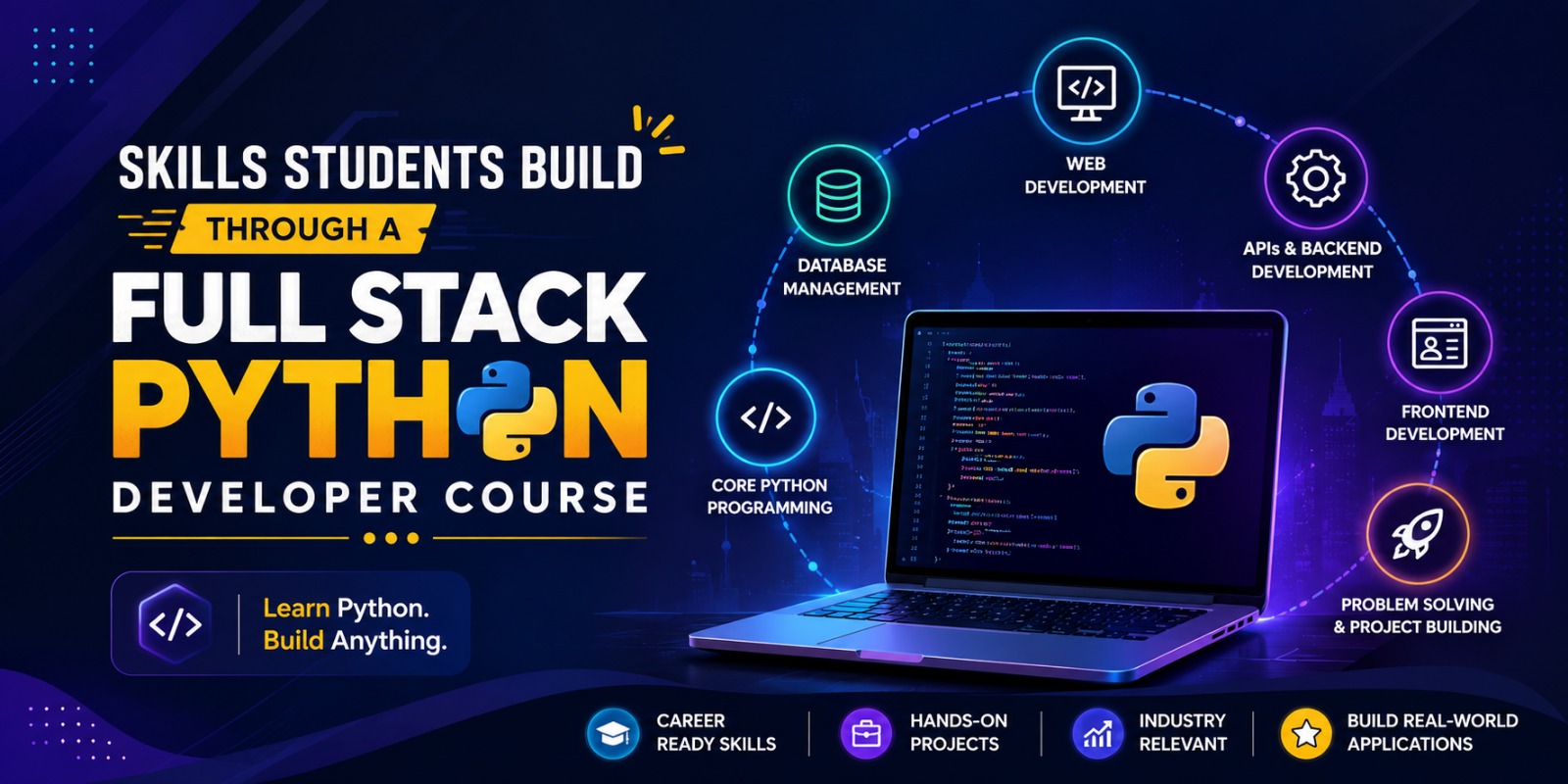
Skills Students Build Through a Full Stack Python Developer Course
Aug 18, 2026
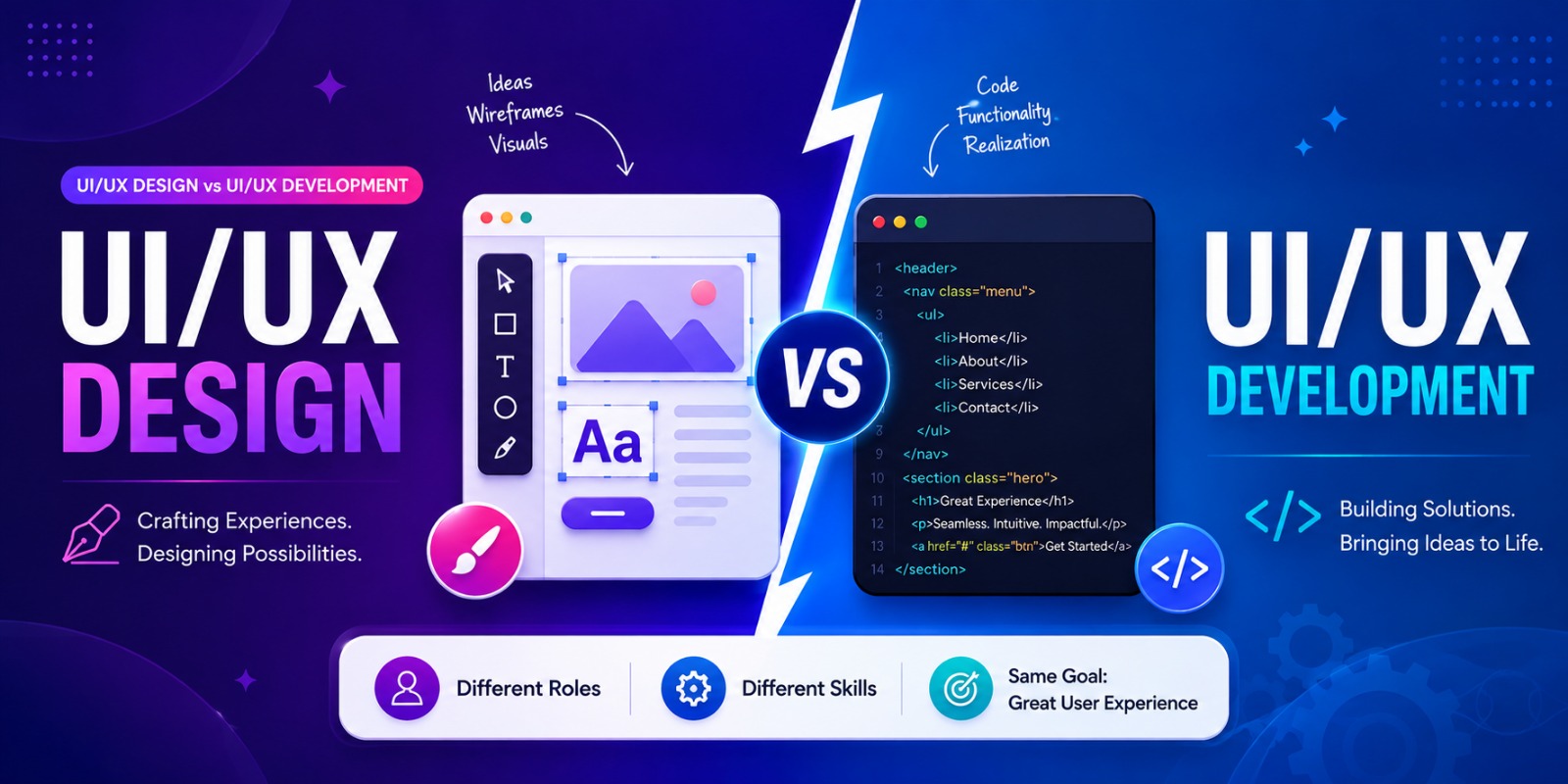
UI/UX Design vs UI/UX Development: What Is the Difference
Aug 11, 2026
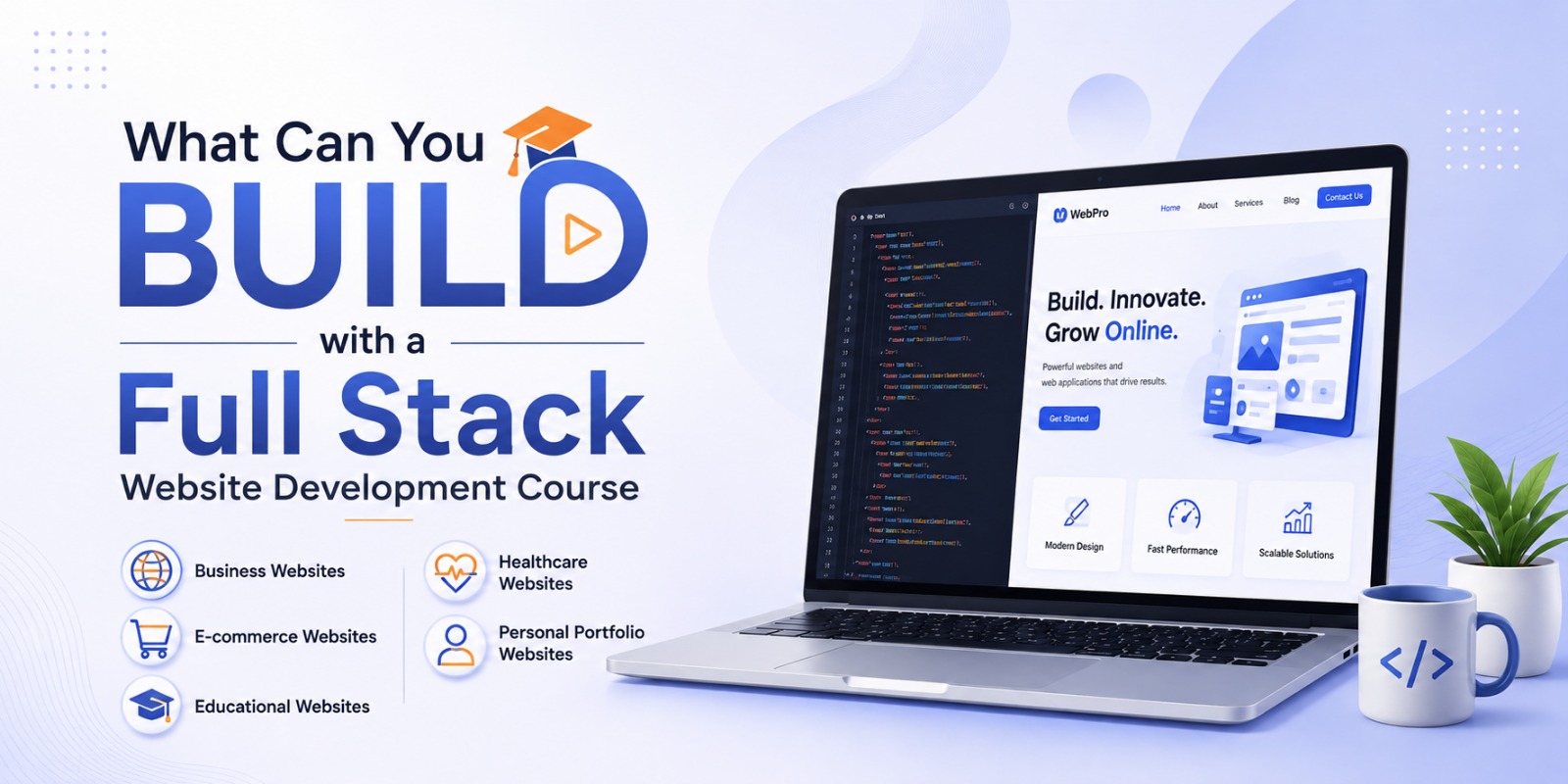
What Can You Build with a Full Stack Website Development Course
Aug 05, 2026
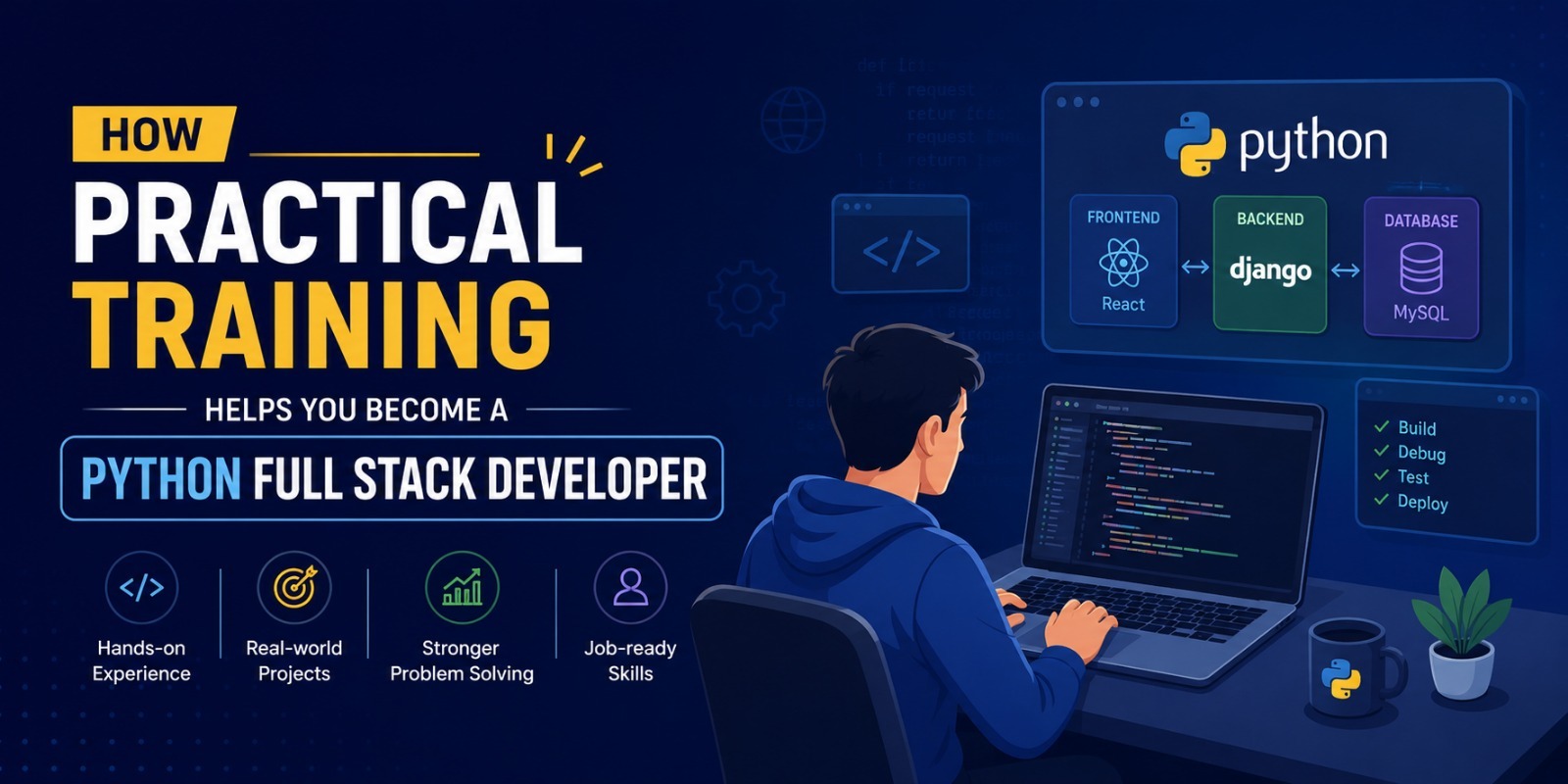
How Practical Training Helps You Become a Python Full Stack Developer
Jul 27, 2026